Piston Pin
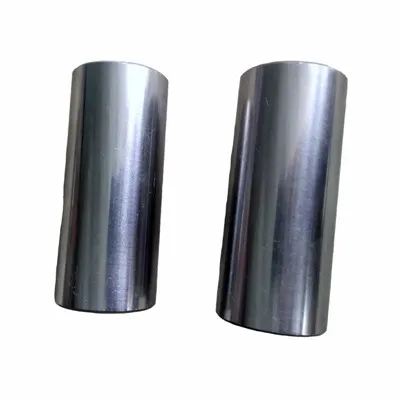
A piston pin, also known as a wrist pin, is a cylindrical component that connects the piston to the connecting rod in an internal combustion engine. It allows the piston to pivot as it moves up and down in the cylinder, enabling the conversion of the linear motion of the piston into the rotary motion of the crankshaft.
Advantages of Piston Pin
Connection
They connect the piston to the connecting rod, allowing for the transfer of force generated during combustion. This connection is crucial for converting the linear motion of the piston into rotational motion at the crankshaft.
Allowing rotation
Piston pins allow the piston to rotate slightly as it moves up and down in the cylinder. This rotation helps accommodate the angular motion of the connecting rod as the crankshaft turns.
Load distribution
They help distribute the load from the piston to the connecting rod, minimizing wear and tear on both components.
Facilitating movement
Piston pins enable smooth movement of the piston within the cylinder, reducing friction and wear. This is often enhanced by the use of bushings or bearing surfaces.




Our factory
BIGUO (KS) Auto Parts Industries was established in 1990. It has become a reliable Strong Manufacturer in International market in the Field of Piston Pin and Cylinder Liner & Sleeve under the Brand name "BIGUO". BIGUO Auto Parts Industries is spread on 15,000 SQ. fts. land, well equipped with foundry and machining machineries and equipments.
Our product
We engaged in manufacturing PISTON PIN and Cylinder Liners & Sleeves for all types of Engines Applicable in Automobile, Tractor, Compressor,outboard, Generator, forklift,Earth Mover and Diesel Engine.
Quality control
We, at Biguo Auto Parts Industries strive to give good quality products at competitive prices in the identified global markets and provide customer satisfaction by consistently complying with specified requirements, continuous process improvement, involvement of personnel at all levels and upgradation of technology.
Production market
Since last 25 years BIGUO Auto Parts Ind. is manufacturing and exporting Piston Pin and Cylinder Liner & Sleeve of all type of Engines & Vehicles and being accepted in Domestic as well as Europe, America, Assia, Middle East & African market due to achieving International standard quality and implementing professional marketing and management system.
Key Functions and Characteristics of Piston Pin
Connection
The piston pin connects the piston to the connecting rod, facilitating the transfer of forces during the combustion cycle.
01
Pivot Point
It serves as a pivot point for the piston, allowing it to move freely while maintaining a secure attachment to the connecting rod.
02
Material
Piston pins are typically made from high-strength materials, such as steel or aluminum, to withstand the extreme forces and temperatures present in an engine.
03
Design
They can be either floating or fixed. A floating piston pin is not rigidly attached to either the piston or the connecting rod, allowing it to move between the two. A fixed pin is secured in one component, typically the connecting rod.
04
Lubrication
Proper lubrication of the piston pin is crucial to reduce friction and wear, ensuring the longevity and efficiency of the engine.
05
Piston Pins - Material Choices
Piston pins play a vital, literally pivotal, role in the reciprocating internal combustion engine. Mechanically they are an extremely simple component and, in their most basic form, could be a simple, short length of solid bar. Indeed, many production piston pins are not far removed from this simplest interpretation, being a very plain steel thick-walled cylinder. Racing pins are generally more complex than production car pins, as we wish to reduce mass to an absolute minimum and are less concerned with cost. Any deviation from a simple cylinder is costly, especially if we have to machine both ends of the component.
In chasing minimum mass, engineers look to decrease length and diameter, within the important constraint of having to maintain adequate stiffness. There are other constraints we need to respect, the most important being to ensure sufficient life in the component by keeping stresses within acceptable bounds for the material in question.
The most common material for piston pins in general is steel; the surface is often hardened to improve wear resistance, and the choice of hardening method will dictate the choice of material. There are two main choices for hardening - carburising (also known as case hardening) and nitride hardening. Both have a beneficial side-effect of imparting significant compressive residual stresses to the surfaces of the part, which in turn improve fatigue resistance compared to a part without these stresses.
Carburising steels are characterised by a low carbon content and additions of manganese, nickel and chromium; it is the low carbon content that allows diffusion of carbon into the surface. Nitriding steels have additions of elements such as chromium, aluminium and titanium, which are strong nitride formers. These nitriding steels are similar to - and in many cases the same as - steels that we would normally use to make racing crankshafts. There are a number of higher strength steels not necessarily designed for nitride hardening, but which it is certainly possible to nitride and which would make excellent candidates for piston pins.
The wear resistance of all kinds of steel pins has been improved by using hard, thin coatings. There are various kinds that have been shown to be beneficial, and pins with these kinds of coating have been in reasonably widespread use in many categories of motorsport for well over a decade.
What Is The Function Of The Piston Pin On The Piston?
The function of the piston pin is to connect the piston and the small end of the connecting rod, and transmit the force between the piston and the connecting rod. The piston pin bears periodic shock load, and it swings itself, and it works under poor lubrication conditions. Therefore, the piston pin is required to have sufficient strength and rigidity, good surface toughness, good wear resistance, and light weight. Piston pins are generally made of hollow cylinders, made of low-carbon steel and low-carbon alloy steel. The outer surface is carburized and quenched to increase the hardness.
After finishing, it is polished to have high dimensional accuracy and surface finish.
Full-floating connection means that when the engine is at normal operating temperature, the piston pin can rotate freely in the piston pin seat hole and the connecting rod small head sleeve hole. As shown in the figure, with a full-floating connection, the piston pin can withstand greater impact load, wear more uniformly, and have a long service life, but the assembly process is more complicated. When assembling the aluminum alloy piston and the piston pin, the piston should be heated in water or oil at a temperature of 70-90℃ to expand the piston pin seat hole before installing the piston pin. In order to prevent the axial rotation of the piston pin, snap rings are also installed at both ends of the pin seat.
Semi-floating connection means that one place is fixed between the piston pin and the piston pin seat hole and the connecting rod small end hole. The general piston pin is fixed to the connecting rod small end.The bolts shown are also fixed with the piston pin and the small end of the connecting rod by interference fit. Since there is no relative movement between the piston pin and the connecting rod, there is no need for a snap ring to restrict the axial position of the piston pin, that is, the semi-floating connection piston pin has no snap ring, and there is no bushing at the small end of the connecting rod. The semi-floating piston pin can reduce engine noise and eliminate possible accidents caused by the snap ring. It is mostly used in light high-speed engines, such as Cherokee and Cheetah, etc. cars adopt this form.

The piston pin is a solid steel pin that attached an engine's piston to a connecting rod. This pin is hollow so that it can reduce weight and can be put in place with many different methods. Most factory-stock piston pin designs rely on a pressed fit with the pin being pushed into the connecting rod. High quality pistons are typically held in place with wire clips or aluminium buttons.
Do you now that a phosphate-treated bearing surface on the connecting rod or on the steel piston can improve the run-in behaviour of the parts in the engine? These layers of a piston pin are made with the elements of graphite, diamond, and polymers. They are super hard and know for their lower friction. The energy that is generated by the combustion of fuel and air mixtures is inherited by pistons and connecting rods to the crankshaft and transformed into kinetic energy. The piston pin links the piston with the connecting rod. Steel wire or steel bars are the main materials that are used in the production of piston pins. First, they are cut and after that formed in a series of operations. Then they go through the process of hardening, turning and grinding. In the result, the final products are of a high surface quality and perfect in shape with an endurance below 0.003 millimetres.
Made for high revolutions and combustion pressures, piston pins are exposed to high stress, also have highly fine machined surface. These piston pins are coated with ultra-hard DLC layer for extreme performance. In past few decades, some companies are not just successfully producing high-quality piston pins but also became reputed piston pin exporters in India.
The production process starts by heating the material till 700 degrees Celsius. This is more than the melting point of the aluminium, but below than its boiling point. The material is then lifted up with a ladle from the crucible (the vessel that holds the molten material). After that, it is poured into the die through the container. Then puts on pause to cool before it is removed from the die and put into a container of hot water.
After the castings get cool they are put into a heat treatment plant for a night. This process tempers the casting of molded piston pins and makes sure that the piston pins are made of improved and better qualities. After heat treatment is done, the casting has its runner separated from it. This process is not much time consuming and is completely automated.
Now comes the final stage of producing piston pins. In the final process, the piston being put in a bath of oil and press out at different sizes until the final size required. Since the pin boring process was only rough it is required to ream the pin bore again and again till required finish and size is achieved. Reaming is a time taken process and only some of its parts are automated. After this process, the capability achieved after the finished reamed surface should be 0.4Ra. So that is how piston pis are made.
Maintenance of Piston Pin
Oil lubrication
The piston pin requires regular lubrication with oil to reduce friction and prevent wear. Engine oil has to be supplied to the piston pin through the oil channels in the piston. Users should ensure that the engine oil level is adequate and that the oil pump is operating properly to maintain lubrication for the piston pin and other engine components.
Engine oil replacement
Regular engine oil changes help maintain the quality of the oil and the cleanliness of the lubrication system. Users need to follow the manufacturer's recommended schedule for oil changes, typically every 5,000 to 10,000 km, depending on the type of oil and the vehicle's operating conditions. Be sure to use high-quality engine oil and oil filters to ensure maximum lubrication and protection for the piston pin and other engine components.
Engine maintenance
Proper maintenance of the engine's overall condition is essential for the longevity of the piston pin. Users should pay attention to signs of engine problems, such as noise, vibration, or reduced power, and have them checked and repaired promptly. Overheating, detonation, or imbalance issues can increase the load on the piston pin and lead to premature wear or damage.
Piston pin clearance check
Users should periodically check the clearance between the piston pin and the piston and connecting rod. If there are signs of play, wear, or binding, the piston pin should be inspected and replaced if necessary. In addition, the piston pin clearance can be measured with a micrometer or a specialized measuring tool. If the clearance exceeds the specified limit, the piston pin and related components May need to be replaced to restore proper engine performance.
Our factory
BIGUO (KS) Auto Parts Industries was established in 1990. It has become a reliable Strong Manufacturer in International market in the Field of Piston Pin and Cylinder Liner & Sleeve under the Brand name "BIGUO". Now we're the OEM suppliers for engine factories in Asia and Middle East. And we've cooperated with three famous international auto parts Groups. Since last 25 years BIGUO Auto Parts Ind. is manufacturing and exporting Piston Pin and Cylinder Liner & Sleeve of all type of Engines & Vehicles and being accepted in Domestic as well as Europe, America, Assia, Middle East & African market due to achieving International standard quality and implementing professional marketing and management system. By strict monitoring of orders and developing stock plans in material, we maintain and deliver schedules in accordance to the requirements.

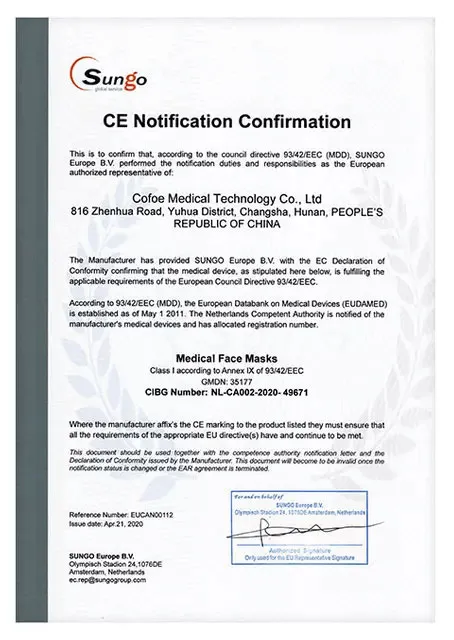
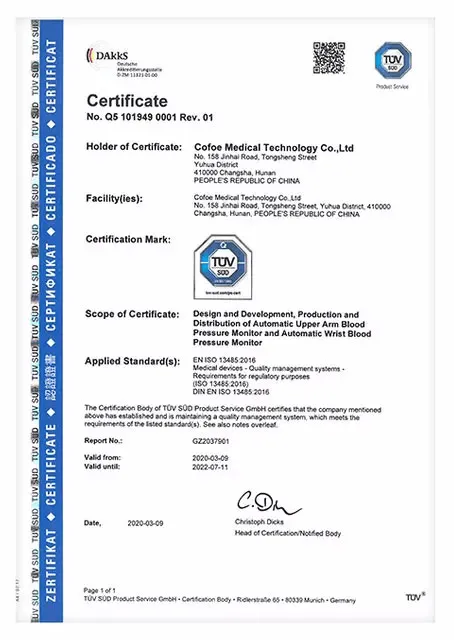
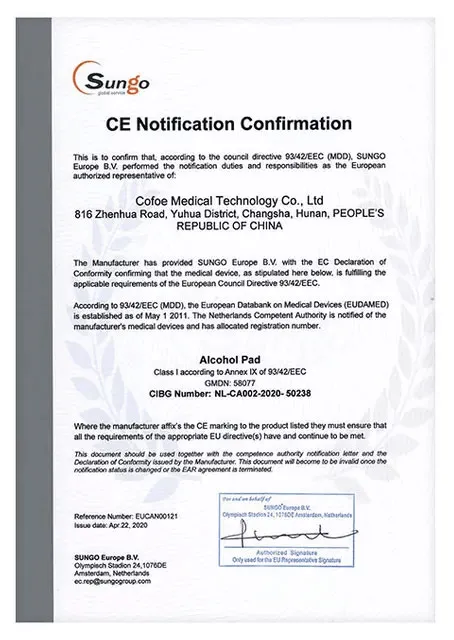
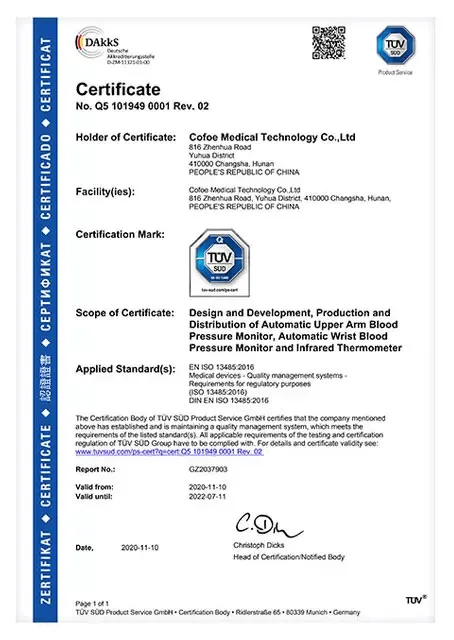
Certificate