Cylinder Liners
A cylinder liner, often referred to as a cylinder sleeve or engine liner, is a critical component in internal combustion engines. It serves as a protective and functional element within the engine's cylinder block, providing a smooth and durable surface for the piston's movement while also offering thermal and structural benefits. It plays a vital role in maintaining engine performance, longevity, and efficiency, making it an integral part of various automotive, industrial, and marine engines.
Advantages of Cylinder Liners
Wear resistance
Cylinder liners are made from materials such as cast iron, steel, or even advanced composite materials, which are highly wear-resistant.
Heat dissipation
Cylinder liners help dissipate heat generated during the combustion process.
Bore restoration
Over time, the cylinder bore can wear and develop imperfections.
Reduced friction
The smooth surface of cylinder liners reduces friction between the piston rings and the cylinder walls.
Improved lubrication
Cylinder liners can be designed with specific surface finishes and treatments to enhance lubrication.
Compatibility with different piston materials
Cylinder liners allow engine designers to use different materials for pistons and cylinder blocks.


Our factory
BIGUO (KS) Auto Parts Industries was established in 1990. It has become a reliable Strong Manufacturer in International market in the Field of Piston Pin and Cylinder Liner & Sleeve under the Brand name "BIGUO". BIGUO Auto Parts Industries is spread on 15,000 SQ. fts. land, well equipped with foundry and machining machineries and equipments.
Our product
We engaged in manufacturing PISTON PIN and Cylinder Liners & Sleeves for all types of Engines Applicable in Automobile, Tractor, Compressor,outboard, Generator, forklift,Earth Mover and Diesel Engine.
Quality control
We, at Biguo Auto Parts Industries strive to give good quality products at competitive prices in the identified global markets and provide customer satisfaction by consistently complying with specified requirements, continuous process improvement, involvement of personnel at all levels and upgradation of technology.
Production market
Since last 25 years BIGUO Auto Parts Ind. is manufacturing and exporting Piston Pin and Cylinder Liner & Sleeve of all type of Engines & Vehicles and being accepted in Domestic as well as Europe, America, Assia, Middle East & African market due to achieving International standard quality and implementing professional marketing and management system.
Types of Cylinder Liners
Cylinder liners come in various types, including cast iron, steel, and aluminum. Cast iron liners are common due to their durability, while steel and aluminum liners offer lightweight alternatives for specific applications.
Dry liners
Dry liners are designed not to be in contact with liquid coolant. These are essentially uncomplicated, hollow cylindrical tubes that fit snugly inside a cylinder block. In their construction, the liner is installed within the cylinder block, precisely fitting into the mould, and securely locked on the upper side of the cylinder block. Importantly, no direct contact exists between the liner and the water jackets containing coolants.
The liner, along with the engine block, absorbs the pressure generated by the combustion of the charge due to the minimal clearance between the liner and the cylinder block. Consequently, dry liners have relatively thin walls, typically ranging from 1.5mm to 3mm. Heat transfer initially occurs from the liner to the engine block and subsequently to the cooling jackets, resulting in longer engine cooling times. Replacement of dry liners requires specialised tools, and they are resistant to corrosion since they remain isolated from the water jackets.
Wet liners
Wet liners, in contrast, come into direct contact with cooling water or coolants. The construction of wet liners differs slightly from that of dry liners. Wet liners are fitted within the cylinder block and securely locked at both ends to prevent any cooling water or coolant leakage. These liners tend to have a greater thickness, typically ranging from 3mm to 6mm, compared to dry liners, as they lack the supporting structure provided by a cylinder block.
The wet liner can withstand the forces generated during the combustion of the charge. Heat transfer in wet liners occurs directly from the liner to the coolant, resulting in a more efficient heat transfer rate. This allows the combustion chamber to achieve higher temperatures, enhancing thermal efficiency. Wet liners are relatively easier to remove as they are not as tightly fitted as dry liners.
Finned liners
Finned liners find application in air-cooled engines. These liners feature exposed fins that are in direct contact with the open air. When air flows through the fins, it significantly increases the heat transfer rate, effectively cooling the engine. In some cases, fin-cooled engines May also incorporate a wet liner to further enhance heat transfer rates. Finned liners are commonly used in engines that operate in open-air environments, benefiting from natural air cooling mechanisms.
Importance of Choosing the Right Material for Cylinder Liners


While there are several materials to choose from, cast iron remains a popular choice for engine manufacturers. In this blog, we will explore why cast iron is preferred in cylinder liners and its advantages over other materials.
Strength and durability
Cast iron is a material that has been used in engine manufacturing for centuries. The high carbon content gives it the strength and durability necessary for use in harsh functioning environments such as the combustion chamber of engines.
Resistant to wear and corrosion
Cast iron is also highly resistant to corrosion, making it ideal for use in cylinder liners. Other than that, it is also resistant to wear and tear. As the piston moves up and down in the cylinder, it creates friction between the piston rings and the cylinder wall. This friction can cause the cylinder wall to wear over time, leading to decreased engine performance and even engine failure. Cast iron is highly resistant to wear, reducing the risk of damage and prolonging the life of the engine.
High heat resistance
One of the main advantages of using cast iron in cylinder liners is its ability to withstand high temperatures. As the engine runs, the temperature inside the cylinder can reach several hundred degrees Celsius. Cast iron can withstand these high temperatures without deforming or melting, ensuring that the cylinder liner remains intact and functions properly. This makes it an ideal material for use in high-performance engines, which generate more heat and require a more robust cylinder liner.
Excellent vibration absorption capacity
Cast iron is also an excellent material for absorbing vibrations. The engine produces a lot of vibrations during operation, and these vibrations can cause damage to the engine block and other components. The use of cast iron in the cylinder liner helps to absorb these vibrations, reducing the risk of damage and prolonging the life of the engine. This is particularly important in heavy-duty applications such as trucks and construction equipment, where the engine is subject to constant vibrations.
Maintains oil-film thickness
Cast iron is also an excellent material for maintaining oil film thickness. The oil film is crucial to engine performance as it reduces friction between moving parts, thereby reducing wear and tear. Cast iron has a slightly rough surface that is ideal for maintaining the oil film thickness, ensuring that the engine remains lubricated and functioning properly.
Cost effective and easily accessible
It is a cost-effective material and can be produced in large quantities with relative ease.
What Is the Purpose of Using Cylinder Liners?
Cylinder liners, also known as cylinder sleeves, serve several important purposes in internal combustion engines:
Wear resistance
Cylinder liners provide a hard, durable surface that can withstand the wear and tear from the piston rings and combustion process, extending the life of the engine.
Heat dissipation
Liners help dissipate heat generated during combustion, aiding in the overall thermal management of the engine.
Improved seal
They create a better seal between the piston and the cylinder wall, which is crucial for maintaining compression and improving engine efficiency.
Repairability
If the cylinder walls become damaged or worn, replacing the liners can be a more cost-effective solution than replacing the entire engine block.
Material flexibility
Liners can be made from different materials (like cast iron or aluminum) that can be optimized for performance characteristics, such as weight and thermal conductivity.
Tuning and modifications
Cylinder liners can allow for modifications to engine displacement and performance by changing the size or shape of the cylinders without needing a complete redesign of the engine block.
Cylinder liners play a critical role in the performance, durability, and serviceability of engines.
Tips for Installing Cylinder Liners
For the two categories of cylinder liners, the procedure is practically the same. The difference is in the honing process, which will need to be done only on the dry liners.
First, it undergoes a machining process to thin the block material and receive the liner. Once that’s done, it’s time for the installation.
In the same way as a valve, the liner needs to be perpendicular to the base of the block. The recommended angle is 90 degrees, thus giving the perfect alignment. And when it comes time to apply, no sledgehammering. This is a common mistake made in several assembly shops, which can crack and damage the part.
As you know, when assembling, the press is the ideal equipment. Thus, the continuous and constant pressure makes the fit perfect and without damage to both the liner and the block.
After passing through the press, the block goes back to the machining. In this process, the planer is passed at the base of the block to make the liner fully flat and to the face of the engine block.
Maintenance of Cylinder Liners
Like any other engine component, cylinder liners require regular maintenance to ensure they perform optimally. Here are some key things to keep in mind when maintaining them.
Inspection and replacement intervals
Cylinder liners should be inspected regularly for signs of wear and tear, such as scratches, cracks, or pitting. Most manufacturers recommend replacing liners every 100,000 to 200,000 miles, depending on the engine’s usage.
Recommended cleaning and maintenance procedures
It’s essential to follow the manufacturer’s recommended cleaning and maintenance procedures to keep them in top condition. It May involve cleaning the liners with a specialized solvent or using a honing tool to remove any scratches or imperfections.
Common issues and how to prevent them
And some common issues that can affect cylinder liners include corrosion, overheating, and cracking. And to prevent these issues, it’s essential to maintain proper coolant levels, monitor engine temperatures, and follow recommended maintenance procedures.
How to identify signs of wear and tear
Some common signs that a dry cylinder liner May need to be replaced include reduced engine performance, increased oil consumption, and abnormal exhaust emissions. If you notice any of these signs, it’s essential to have your engine inspected by a qualified mechanic.
Manufacturing Process of Cylinder Liners
Melting & alloying
The metals are melted in the furnace for a long period of time until it acquires the optimal melting temperature between 1400 to 2000°c.
Testing of metal grade
Upon completion of step 1, the end product is tested if it attains the required material composition. A metal analyzer is used for this matter.
Removing slag and controlling impurity levels
Impurities will then be controlled to its proper levels while removing the slag materials such as phosphorus and sulphur.
Adding alloying elements
Upon removing impurities and slags, alloying materials are then added such as nickel, chromium, copper, molybdenum and others. These are added according to the desired quantity by customer or mechanical property requirements.
Centrifugal casting
The molten metal is now then taken into ladles and then poured into the rotating die machines. This is where centrifugal casting takes place.
Centrifugal casting is the best way to manufacture thin-walled cylinders. This is because centrifugal casting manufactures strong products with high-purity and uniform grain structure. This gives equal mechanical properties in all directions.
Centrifugal casting is used to produce other products such as railway carriage wheels or machine fittings. These disk and cylinder shaped objects benefit from centrifugal casting as grain uniformity and balance are important to the utility and durability of the product.
Cooling
After casting, the iron is allowed to cool and solidify. Although this May look simple enough, manufacturers are critical in controlling the cooling curve to ensure quality. The good solidification and cooling process can define high quality from low- quality cast.
Cooling is done in two ways, in which both are controlled and done uniformly: Quick cooling creates finer grain construction, while slow cooling produces a coarse grain structure.
In the casting process, it is important for manufacturers to monitor other problems such as contamination, gas porosity (forming of bubbles in the iron), and fluidity problems of the metal.
Testing and inspection
The machining of radius, outer diameter, and grooves are then done with cnc machining. Each piece is then thoroughly inspected for defects such as cracks. To maintain precise and sufficient material thickness, the piece could be machined further to obtain precise measurements.
Our factory
BIGUO (KS) Auto Parts Industries was established in 1990. It has become a reliable Strong Manufacturer in International market in the Field of Piston Pin and Cylinder Liner & Sleeve under the Brand name "BIGUO". Now we're the OEM suppliers for engine factories in Asia and Middle East. And we've cooperated with three famous international auto parts Groups. Since last 25 years BIGUO Auto Parts Ind. is manufacturing and exporting Piston Pin and Cylinder Liner & Sleeve of all type of Engines & Vehicles and being accepted in Domestic as well as Europe, America, Assia, Middle East & African market due to achieving International standard quality and implementing professional marketing and management system. By strict monitoring of orders and developing stock plans in material, we maintain and deliver schedules in accordance to the requirements.

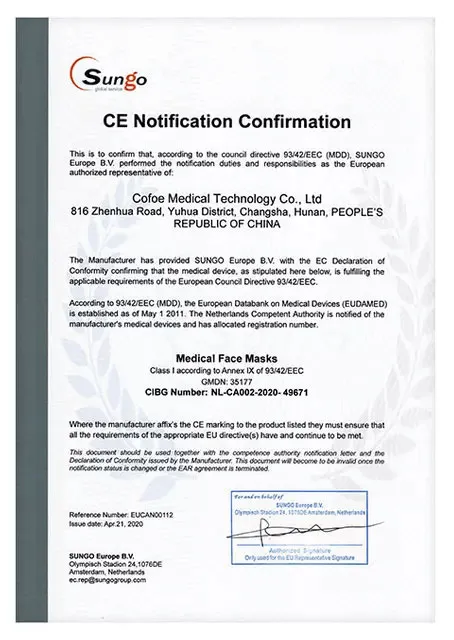
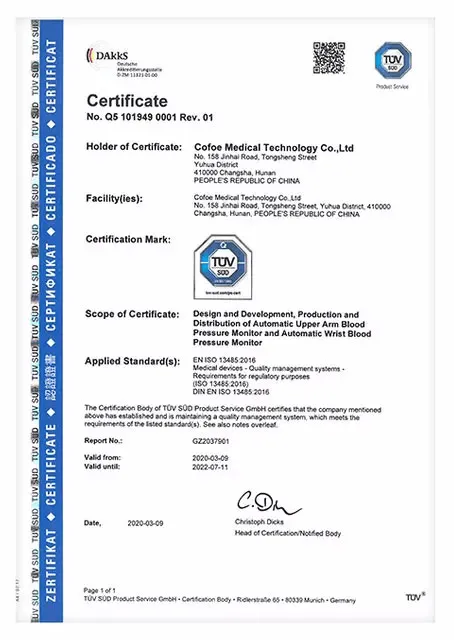
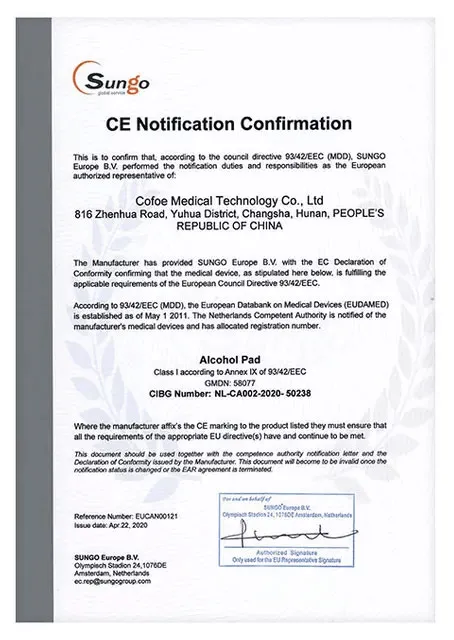
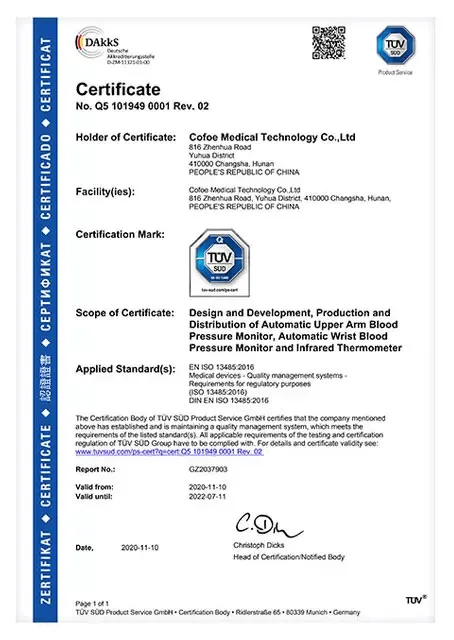
Certificate